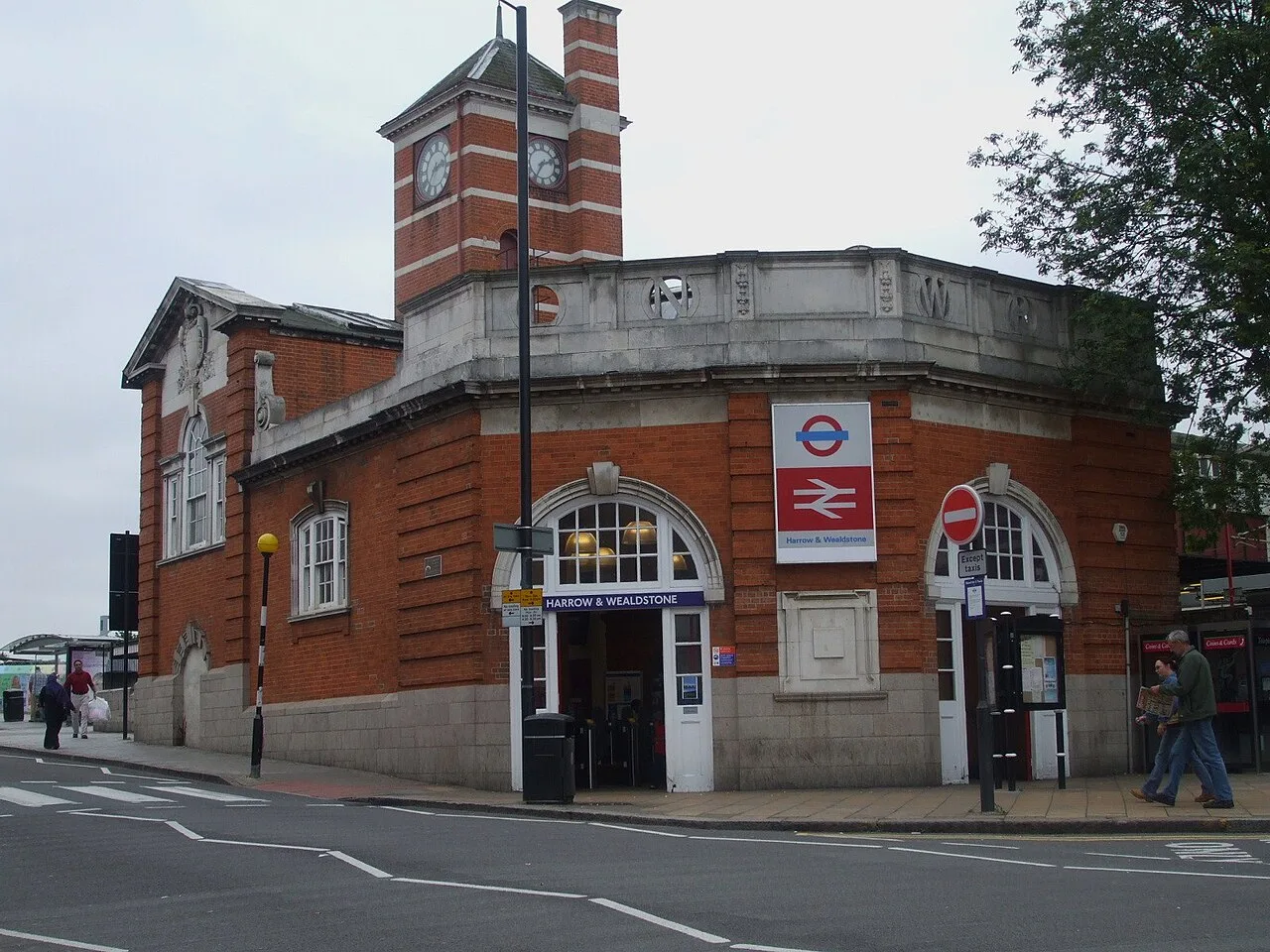

Fast trains reach Euston in 13 minutes from Harrow & Wealdstone. Every route compared: Met line, Chiltern to Marylebone, 2026 caps and the £3,056 annual Travelcard.
Harrow’s commute is a choice most London boroughs do not get: two separate railways into two different sides of central London, plus three Tube and Overground lines stitching the rest of the borough to both. From Harrow & Wealdstone the fast trains reach Euston in 13 minutes; from Harrow-on-the-Hill Chiltern runs to Marylebone in 15 and the Metropolitan line to Baker Street in about 20. That network is a large part of what homes here cost. Here is what each route actually delivers, verified against the live timetables and TfL’s own data, with the 2026 fares underneath.
The quick version
| From | To | Fastest | Typical service |
|---|---|---|---|
| Harrow & Wealdstone | Euston | 13 min | about 4 trains an hour (London Northwestern) |
| Harrow-on-the-Hill | Marylebone | 15 min | 2 direct Chiltern trains an hour off-peak |
| Harrow-on-the-Hill | Baker Street | 20 min | Metropolitan line, trains every few minutes |
| Stanmore | Central London | direct | Jubilee line from its northern terminus |
Times are the fastest direct services on the live timetable when checked in August 2026 (traintimes.org.uk, TfL Journey Planner); allow for the slower stopping trains in between.
Harrow & Wealdstone: the fast way in
The quickest exit from the borough is the London Northwestern Railway service from Harrow & Wealdstone to London Euston: 13 to 14 minutes non-stop, running roughly every 15 minutes through the day (live timetable). For anyone working around Euston, King’s Cross or the West End’s northern edge, that is an inner-London commute from Zone 5.
The same station also carries two slower but useful TfL services: the Bakerloo line, running through Queen’s Park to Oxford Circus, Waterloo and Elephant & Castle, and the Lioness line Overground between Watford Junction and Euston, which is the line that also serves Kenton, South Kenton, Headstone Lane and Hatch End (TfL route data). The Bakerloo is the one to take when your destination is on it; for pure speed to Euston the National Rail service wins every time.
The station has four lifts, a car park, toilets and a waiting room (TfL station data).
Harrow-on-the-Hill: two railways, one platform set
Harrow-on-the-Hill is the borough’s other hub, and it splits by destination:
Chiltern Railways to Marylebone is the quick option: 15 to 19 minutes direct, with two direct trains an hour off-peak on the Aylesbury pattern (live timetable). If your office is near Marylebone, Baker Street or Paddington, this is the sleeper hit of the Harrow commute.
The Metropolitan line to Baker Street takes 20 to 22 minutes (TfL Journey Planner) and continues through King’s Cross and the City to Aldgate, so it covers Farringdon, Moorgate and Liverpool Street without a change. With all branches combined, trains leave Harrow-on-the-Hill every one to five minutes across most of the day (TfL timetable). The Met also links North Harrow, Pinner, West Harrow and Rayners Lane into the same route.
Harrow-on-the-Hill has five lifts, boarding ramps and a 113-space car park open 24 hours (TfL); one step-free caveat worth knowing is that Baker Street itself is not step-free, so wheelchair users are routed via other interchanges. Driving to either hub, and what parking there costs, is covered in our roadworks and travel page.
The rest of the borough
Stanmore is the northern terminus of the Jubilee line (TfL route), running through Wembley Park, Baker Street, Bond Street and Waterloo to Stratford, with a station car park at the top of the line. Canons Park is one stop down. South Harrow and Rayners Lane add the Piccadilly line to the mix. In practice, almost nowhere in Harrow is more than a short bus ride from a direct line into Zone 1.
What it costs in 2026
Most of Harrow’s stations, including both main hubs, Pinner, Stanmore and Rayners Lane, are in Zone 5. The exceptions: Kenton and South Kenton are Zone 4, and Hatch End is Zone 6, worth knowing if you have a choice of station (TfL station data).
The 2026 numbers for Zones 1-5, from TfL’s adult fares tables and the live fare panels on traintimes.org.uk:
- Pay as you go single to Zone 1: £3.80 off-peak, £5.30 peak. The National Rail service from Harrow & Wealdstone accepts contactless at the same rates.
- Daily cap: £15.30, the most contactless will charge in a day.
- Weekly cap and 7-day Travelcard: £76.40.
- Monthly Travelcard: £293.40. Annual: £3,056, which for a five-day commuter works out around £12 a working day with weekends thrown in.
One trap to avoid: season-ticket search engines quote a cheaper “Harrow & Wealdstone to London” national rail season (£222 a month), but it is route-restricted via Kensington Olympia and useless for the Euston fast trains. For a normal Harrow commute, the Zone 1-5 Travelcard figures above are the honest comparison.
Frequently asked questions
How long is the train from Harrow to central London?
13 to 14 minutes from Harrow & Wealdstone to Euston on London Northwestern’s fast trains, the quickest route out of the borough. From Harrow-on-the-Hill it is 15 to 19 minutes to Marylebone on Chiltern, or 20 to 22 minutes to Baker Street on the Metropolitan line.
How often do trains run from Harrow & Wealdstone to Euston?
Roughly every 15 minutes through the day, about four trains an hour, alongside the slower Bakerloo and Lioness line services from the same station.
What zone is Harrow in?
Mostly Zone 5: Harrow & Wealdstone, Harrow-on-the-Hill, Pinner, Stanmore, North, South and West Harrow and Rayners Lane. Kenton and South Kenton are Zone 4, and Hatch End is Zone 6.
How much is the fare from Harrow to London in 2026?
£3.80 off-peak or £5.30 peak single to Zone 1 on pay as you go, with a daily cap of £15.30 and a weekly cap of £76.40 (TfL adult fares, 2026).
Is there a car park at Harrow-on-the-Hill station?
Yes: a 113-space car park open 24 hours, per TfL’s station data. Harrow & Wealdstone also has a station car park, and Stanmore’s Jubilee line terminus is the borough’s classic park-and-ride. More in our travel and parking rundown.
Can I use contactless on the fast trains to Euston?
Yes. Harrow & Wealdstone is inside the contactless area, so the same card and caps cover London Northwestern trains, the Bakerloo, the Overground and the Tube.
Sources
- Live timetable: Harrow & Wealdstone to Euston (traintimes.org.uk, National Rail data) for journey times, frequency and walk-up fares.
- Live timetable: Harrow-on-the-Hill to Marylebone for Chiltern times.
- TfL Journey Planner API for Metropolitan line times and the step-free routing.
- TfL adult fares 2026 (PDF) for caps and Travelcard prices.
- TfL line and station data for the Lioness, Bakerloo, Metropolitan and Jubilee patterns, zones, lifts and car parks.
Times are the fastest direct services on the timetable when checked and vary by time of day; engineering work changes weekend service. Check live times before you travel. Last checked 8 August 2026.
Have your say